

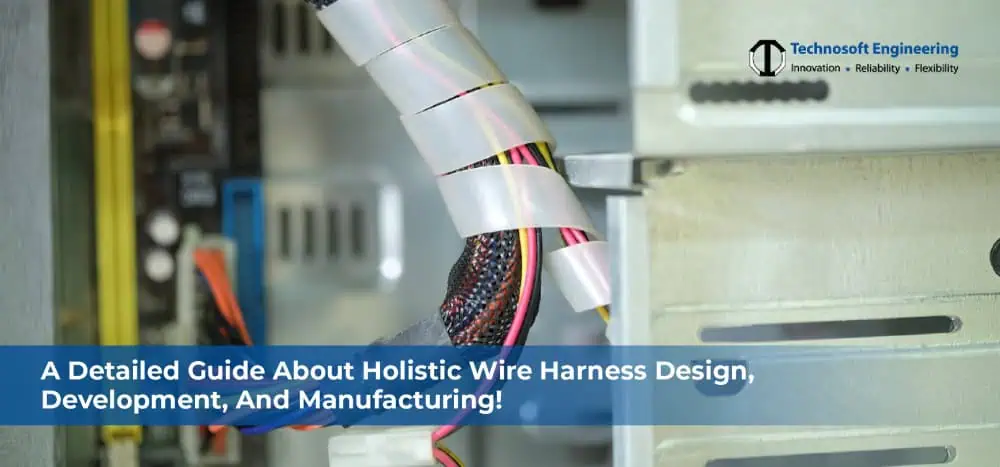
Electricity is considered the life and blood of almost every machine around us. Right from the car that is parked in your parking lot to the washing machine placed in your laundry room, thousands of wires are tirelessly working behind the scenes. To keep these wires from becoming a tangled mess, engineers use a smart system called a wire harness. Understanding wiring harness basics is the first step in seeing how modern technology stays organized and safe.
The wire harness can be considered to be the main nervous system of a machine. It bundles different wires together using durable materials like tape, conduit, or cable ties. Without a good wire harness design, a machine would likely fail due to vibrations, heat, or moisture.
Meaning and Advantages of a Wire Harness
A wire harness is an organized bundle of electrical wires or cables that transmit signals or electrical power. By binding these wires together, they are better protected against the harsh environment inside a vehicle or industrial machine.
There are several big advantages to using them:
- Safety: It reduces the risk of short circuits and electrical fires by keeping wires in a fixed position.
- Space Saving: Bundling wires makes the internal layout of a machine much cleaner and more compact.
- Durability: The outer covering protects the sensitive copper strands from rubbing against sharp metal edges.
- Simple Installation: The greatest advantage of a wire harness is that it eliminates the need to connect a hundred separate wires. Here, a technician only has to install one single harness.
Sequential Process for Designing and Developing a Wiring Harness
Creating a harness is a step-by-step journey that requires precision. It begins with the electrical harness design phase, where engineers determine the power requirements and signal paths.
- Requirement Analysis: The engineers have a closer look at the environment where the harness will live. Will it be hot? Will it get wet?
- Creating the Wire Harness Schematic: This is a logical map. It shows how every single wire connects from point A to point B.
- Intricate Wire Harness Drawings: These are the blueprints. They show the physical length, the wire gauges, and where the connectors are placed.
- Prototyping: A sample harness is built to make sure it fits perfectly inside the machine.
- Testing: This prototype is closely examined to check for electrical continuity and strength before mass production starts.
Key components and the materials used in manufacturing of wire harness
The components of wiring harness systems include:
- Wires: These are indeed the core of the system, and are usually made of copper for good conductivity.
- Connectors: These are the plugs that are placed at the end of the wires that allow the harness to be attached to devices.
- Terminals: These are the small-size metal pieces and these support the wire stay firmly inside the connector.
- Insulation: It indicates coatings made of plastic to prevent electricity from jumping between wires.
- Sheathing or Conduit: The tough outer layer that holds the whole bundle together and protects it from heat and chemicals.
Key Benefits of Pre-Made Wire Harnesses vs. Custom Solutions
When a company needs a harness, they have two choices: buy one “off the shelf” or create a cable harness design specifically for their project.
Pre-Made Harnesses: These are usually cheaper and available immediately. They work well for simple, standard machines. However, they might have extra wires you don’t need, which wastes space.
Custom Solutions: The custom wiring harness design solutions are built to fit the exact dimensions of your product. They ensure there is no “slack” and that every connector is exactly where it needs to be. This leads to higher reliability and a more professional finished product.
Role of Automation in Revolutionizing Wiring Harness Manufacturing
In the past, workers had to cut, strip, and crimp every wire by hand. This took a long time and led to many mistakes. Today, automation is changing everything. High-tech machines can now cut wires to the exact millimeter and attach terminals with perfect pressure every time.
Automation makes the wire harness design come to life much faster. It also helps with testing. Automated test benches can check thousands of connection points in seconds, ensuring that not a single faulty harness leaves the factory.
Final Verdict!
The modern world is properly connected through electricity, and the connection is best visible in electric cars and smarter homes, the need for high-quality wire harness design will only grow. A harness that is well-made is the key difference between a product that lasts for years and one that breaks down in months. Focusing on top-end materials and smart design processes, the manufacturers can ensure their machines run smoothly and safely. Staying updated on the latest materials and manufacturing techniques is essential for any successful engineering project.
If you are looking for expert engineering support as well as end-to-end design services, then you must visit Technosoft Engineering.