
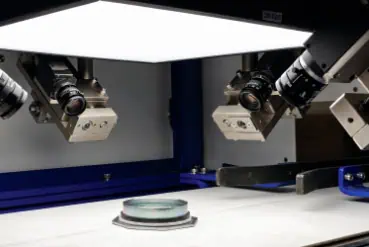
Smart Vision Tailored for Dynamic Manufacturing Needs
As production demands grow and quality expectations rise, traditional visual inspections often struggle to keep up. Our NXT QualSure AI Vision-Based Defect Detection Solution offers a smarter, faster, and more consistent way to ensure product quality across industries.

Using advanced AI and machine learning, it analyzes images in real time to catch even the smallest defects-whether it’s surface flaws in automotive parts, micro-cracks in electronics, or packaging errors in food and beverage.
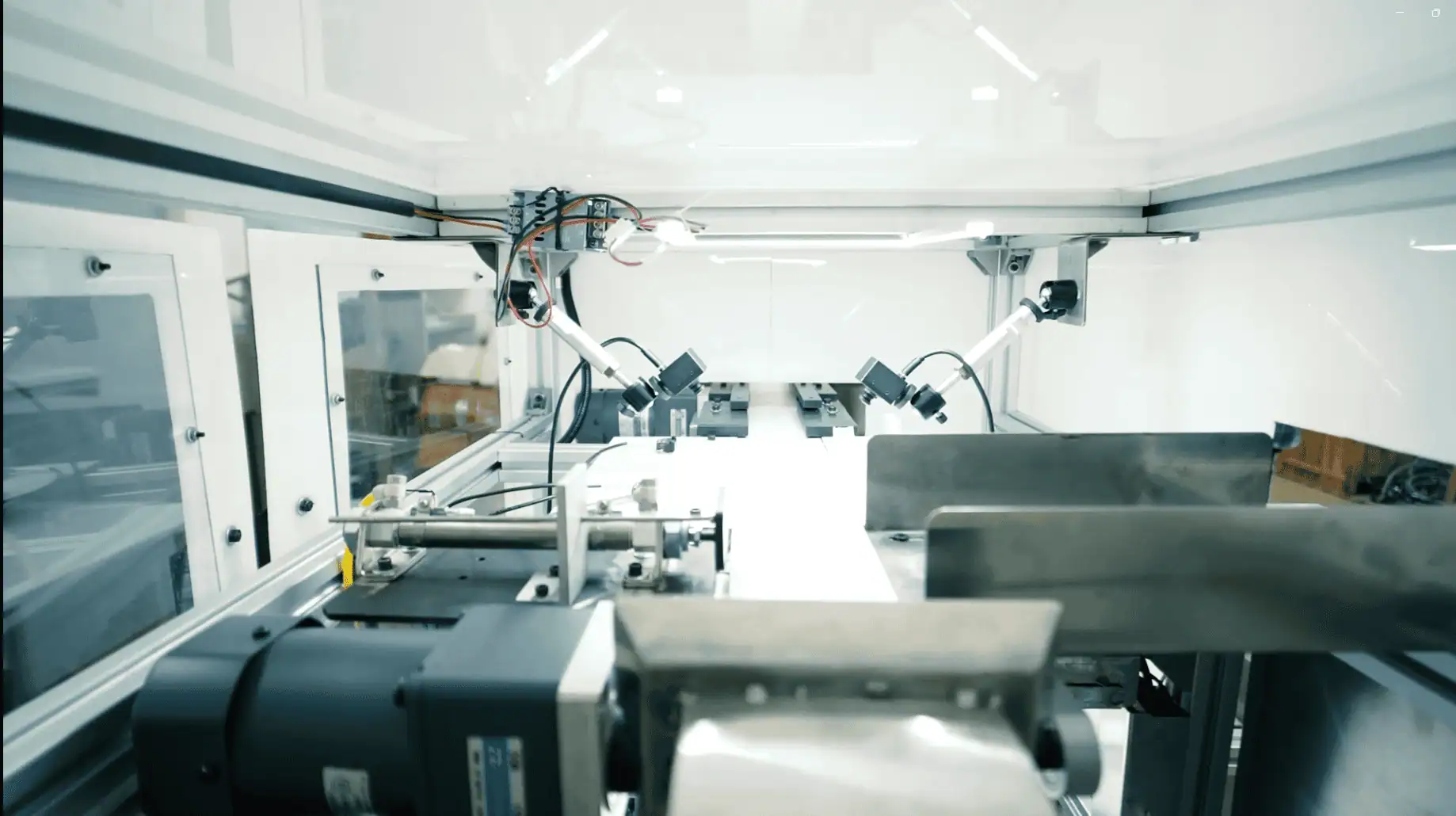
Our Vision Solution Overview
Our solutions combine intelligent vision system engineering, advanced AI-driven inspection capabilities, and a robust modern technology ecosystem to deliver scalable real-time automation.
-
Offerings

Offerings
- Vision System Architecture & Hardware Design
- Al Model Development & Training Services
- Synthetic Data Generation & Dataset Augmentation
- Edge Deployment & Real-Time Optimization
- System Integration & Legacy Connectivity
- MLOps for Continuous Monitoring & Training
-
Capabilities
Capabilities
- Multi-Class Object Detection & Recognition
- Advanced Text Recognition & OCR
- Quality & Damage Assessment
- Precision Dimensional Analysis
- Multi-Camera Fusion & Redundancy
- High-Throughput Video processing pipeline
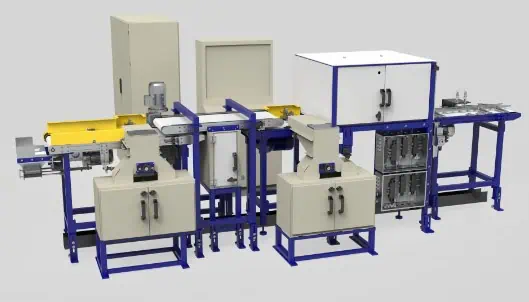
Key Features

Real-time Monitoring
Receive continuous inspection feedback and production visibility in real time, enabling faster decision-making.

Multi-Industry Compatibility
Engineered to support diverse industries and applications, with the flexibility to adapt.

User-Friendly Interface
Designed with an intuitive and streamlined interface, ensuring easy adoption and efficient operation.

Cost-Effective & Scalable
Fits businesses of any size, built to deliver long-term value with scalable deployment options that grow.

Open Integration
Easily connects with your existing machines, software, ERP, MES, and automation systems for a seamless workflow.

Quality Inspection & Defect Detection
Identifies defects, inconsistencies, and quality issues instantly to ensure every product meets your standards.

Dimensional Verification & In-line Measurement
Performs precise measurements directly on the production line to maintain accuracy and reduce manual checks.

Assembly Completeness Verification
It Confirms that every component is assembled and in place before products move to the next stage.
Manual vs. AI Vision Quality Inspection
Manual Method

Relies heavily on manual checks and human observation.

Human errors, fatigue, and inconsistency can lead to missed defects.

Higher dependency on manpower increases operational costs.

Defects detected late in production can lead to wastage and rework.

Adapting to new products or materials requires manual reconfiguration.

Difficult to maintain accuracy at large production scales.
AI Vision Defect Detection

Powered by intelligent AI and computer vision technology for automated inspection.

Detects even the smallest defects with exceptional precision and consistency.

Reduces labour dependency through intelligent automation.

Early defect detection minimizes waste, recalls, and costly reprocessing.

AI systems continuously learn and adapt to new products and defect patterns.

Delivers long-term ROI through efficiency, accuracy, and automation.
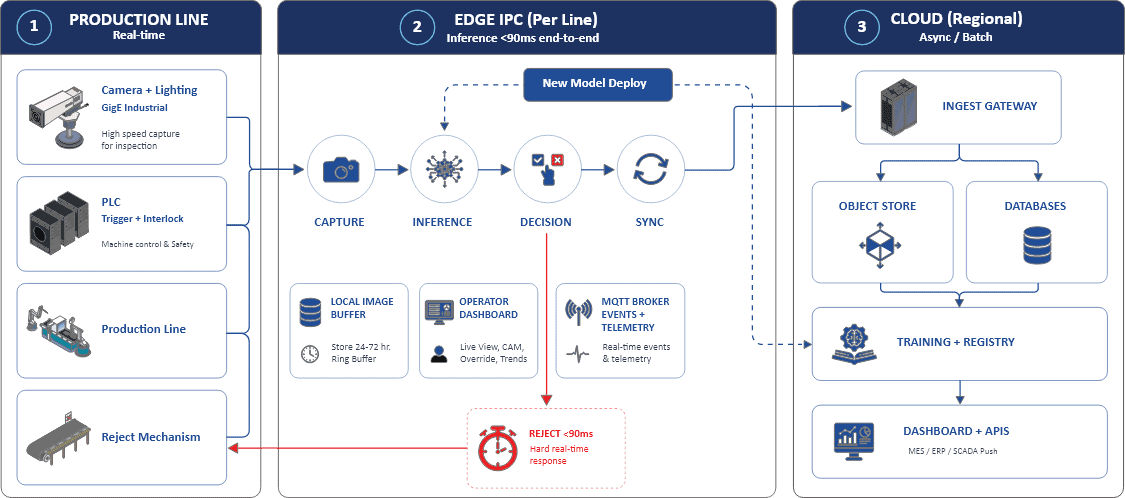
Our Approach to Build AI Defect Detection Solution
Technical Architecture
From Camera Trigger to PLC reject/accept signal in under 90ms, Cloud syncs in the background
Defects Our AI Vision Detect
- Surface & Cosmetic Defects
- Dimensional & Shape Deviation
- Missing / Misplaced Features
- Material And Process Defects
- Colour & Pattern Defects
- Transparency & Fluid Defects
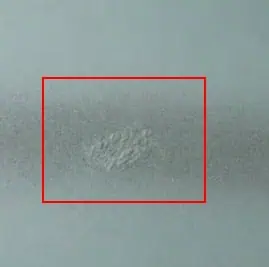
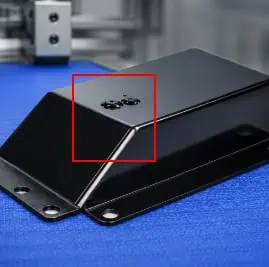
Surface & Cosmetic Defects
- Scratches, Dents, Cracks, Corrosion
- Surface Discoloration, Stains, Finish Variations
- Paint Bubbles, Coating Defects, Gloss Inconsistency
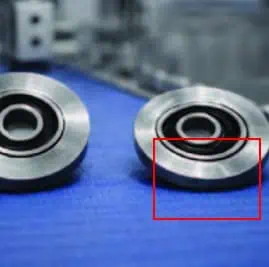
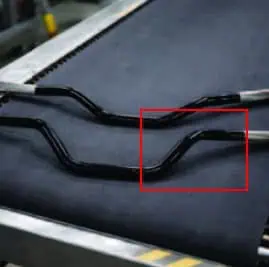
Dimensional & Shape Deviation
- Warpage Or Shrink in Molded Parts
- Deformed Geometry and Misalignment
- Out-Of-Tolerance Dimensions
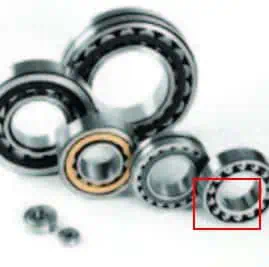
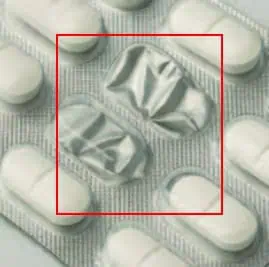
Missing / Misplaced Features
- Fasteners, gaskets, clips, wires, seals
- Assembly components missing or swapped
- Incorrect positioning, seating, or orientation
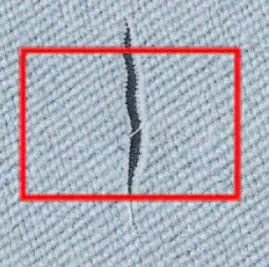
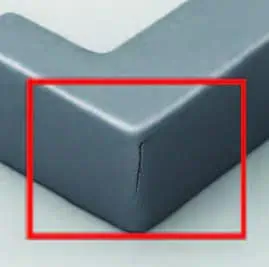
Material And Process Defects
- Short shots, flashes & air pockets in molding
- Burrs, chips, or stress fractures in stamped metal
- Cold joints, inconsistent bead lines, weld gaps
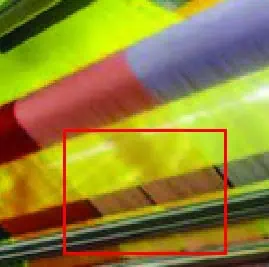
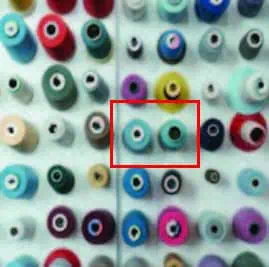
Colour & Pattern Defects
- Shade mismatch or uneven dyeing (textile & plastics)
- Yarn pattern anomalies
- Contamination in colour-sensitive production
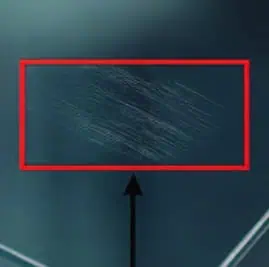
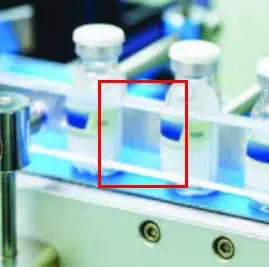
Transparency & Fluid Defects
- Sedimentation & suspended particles
- Bottle fill inconsistencies
- Clarity issues invisible to the naked eye
Application Areas

Engineering & Heavy Manufacturing

Discrete Manufacturing

FMCG & Packaging

Pharmaceuticals & Medical Devices

Plastics & Injection Moulding

Textiles & Yarn Industry

Automotive & Auto Components

Electronics & Electrical
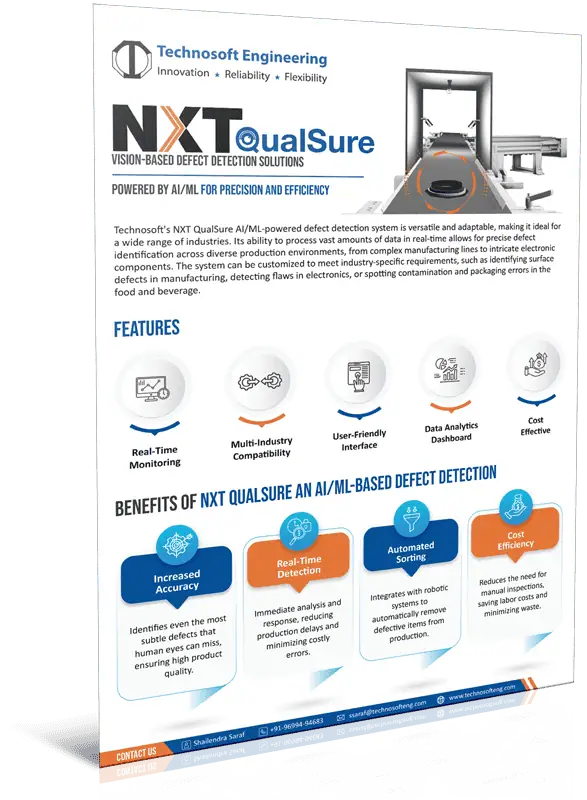
Discover the power of AI vision based defect detection to transform your quality inspection process. Click below to download the brochure.
Reduce Defects Before They Reach Customers
Take your quality inspections to the next level with NXT Qualsure's continuously evolving AI.
Contact Us